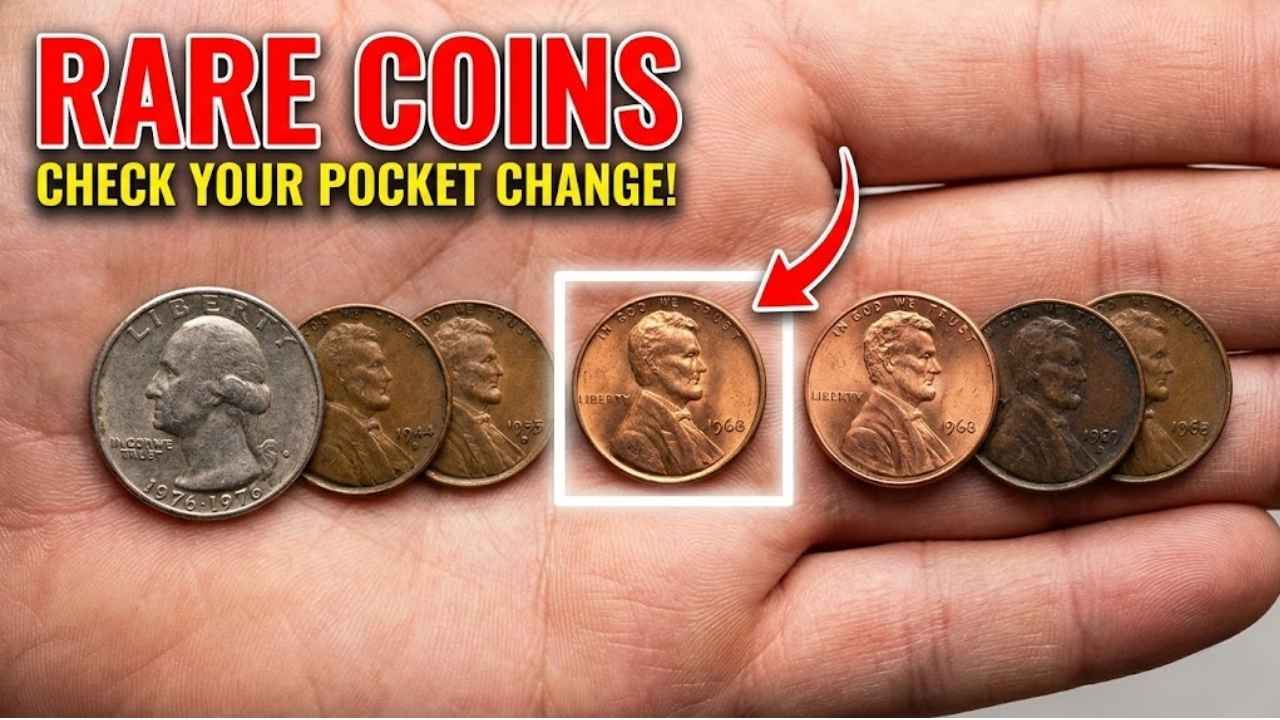
Wheat Penny Values Over the Last 10 Years: Wheat pennies, officially known as Lincoln cents, were minted from 1909 to 1958 and remain one of the most beloved and collected coins in American numismatics. Their simple design and long history have captured the interest of both seasoned collectors and casual hobbyists alike. Over the past decade, the market for wheat pennies has experienced notable changes driven by shifts in collector demand, economic conditions, and awareness of rare varieties. Understanding how wheat penny values have evolved and what factors influence their prices can help collectors make informed decisions and appreciate the deeper story behind these humble coins.
Origins and Importance of Wheat Pennies
The Lincoln cent was introduced in 1909 to commemorate the 100th anniversary of Abraham Lincoln’s birth, replacing the Indian Head cent. Designed by Victor David Brenner, the wheat penny featured two stylized wheat ears on the reverse side, symbolizing prosperity. For nearly half a century, this design remained in circulation, resulting in a large population of coins with varying conditions. Because of their extensive mintage and long presence in circulation, most wheat pennies are common. Yet within this massive group lie rare dates and varieties that have become highly valuable over time.
General Market Trends from 2015 to 2025
Over the last decade, the collectible coin market as a whole has undergone significant changes. From around 2015 to 2018, the market saw rising interest, particularly in United States coins, driven by a combination of increased awareness and high auction results. Wheat pennies were part of this trend, with values for key dates and high-grade examples climbing steadily. Between 2018 and 2020, the market experienced volatility due to broader economic uncertainties. However, collector interest in historical and rare coins, including wheat pennies, remained resilient. From 2021 onward, as markets stabilized and more people discovered collecting as a hobby, rare wheat penny prices continued to hold strong and in some cases reached record levels.
Key Rare Wheat Pennies and Their Value Trajectories
Some specific wheat penny issues have consistently captured collector attention and driven market value changes. The 1909-S VDB is perhaps the most iconic, featuring designer Brenner’s initials on the reverse and a limited San Francisco Mint production. Over the past ten years, well-preserved examples of the 1909-S VDB have seen notable increases in value, especially in high-grade certified conditions. Similarly, the 1914-D Lincoln cent is another cornerstone rarity whose price trajectory has reflected broader market trends.

Other dates and mint marks, such as the 1922 No D, the 1931-S, and the 1955 doubled die obverse, have gained value recognition among collectors. Each of these rare coins carries a unique story and demonstrates how specific minting characteristics influence market desirability and pricing.
Influence of Coin Grading and Certification
Professional coin grading has played a major role in shaping wheat penny values over the past decade. Coins graded by reputable services receive a numerical grade from 1 to 70, indicating their physical condition. In the early 2010s, many collectors began prioritizing certified coins, leading to a stronger market for high-grade wheat pennies. Over the last ten years, certified examples of rare dates have commanded premiums compared to raw, ungraded coins. High-grade certified specimens of key issues like the 1909-S VDB and 1914-D have achieved auction results that significantly outpace common-date wheat pennies.
Collector Demand and Community Growth
The collector community has grown steadily in recent years, fueled by online forums, social media groups, and accessible auction platforms. This growth has had a positive impact on wheat penny values. Enthusiasts share knowledge about rare varieties and early Lincoln cent history, increasing awareness of coins that might otherwise go unnoticed in circulation. This expanded community has contributed to more active bidding at auctions and a stronger secondary market for rare wheat pennies.
Economic Factors and Metal Prices
While wheat pennies are composed primarily of copper, their value as collectibles tends to be influenced more by rarity and condition than by metal content. Still, fluctuations in copper prices and overall economic conditions can have indirect effects on collector behavior. During periods of economic uncertainty, some collectors shift their focus to tangible assets, including rare coins, which they view as stable long-term investments. Additionally, inexpensive copper coins can attract attention from investors looking for undervalued assets, further stimulating market activity.
Notable Auction Results and Record Sales
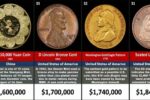
Auction records provide valuable insights into how wheat penny values have evolved. Over the last decade, several high-profile sales have drawn attention to the potential worth of rare Lincoln cents. For example, pristine certified specimens of the 1909-S VDB have fetched prices that surpass earlier expectations for this key date. Similarly, high-grade 1955 doubled die obverse wheat pennies, known for their dramatic error appearance, have achieved strong results in competitive bidding environments. These landmark sales help set price benchmarks and influence collector perceptions of value.
Challenges and Considerations for Modern Collectors
Although many wheat penny values have trended upward, collectors must navigate challenges. Determining authenticity and accurate grading requires expertise and sometimes professional evaluation. Counterfeits and improperly altered coins can mislead inexperienced buyers. Additionally, while rare wheat pennies are valuable, the majority of Lincoln cents remain common and hold modest prices. Understanding the difference between everyday coins and those with significant numismatic value is crucial for making wise purchasing decisions.
Future Outlook for Wheat Penny Values
Looking ahead, the market for rare wheat pennies appears poised for continued interest. As long as collectors value historical significance, unusual minting characteristics, and high-grade preservation, rare Lincoln cents will hold their appeal. The expanding collector community and ongoing digital engagement contribute to broader recognition of noteworthy coins. Technology-driven platforms will likely make it easier to discover and trade valuable wheat pennies, reinforcing long-term market sustainability.
Conclusion
Wheat penny collecting has remained a vibrant and rewarding pursuit over the past decade. Rare examples have seen impressive value increases, and market trends reflect a mix of economic forces and sustained collector enthusiasm. From iconic rarities like the 1909-S VDB to dramatic error coins and high-grade survivors, wheat pennies tell a rich story of American coinage and numismatic evolution. For collectors and newcomers alike, understanding how values have changed over the last ten years provides valuable context for future collecting decisions. Whether you are pursuing historical coins or searching through loose pocket change, the allure of wheat pennies continues to capture imaginations and enrich the hobby.