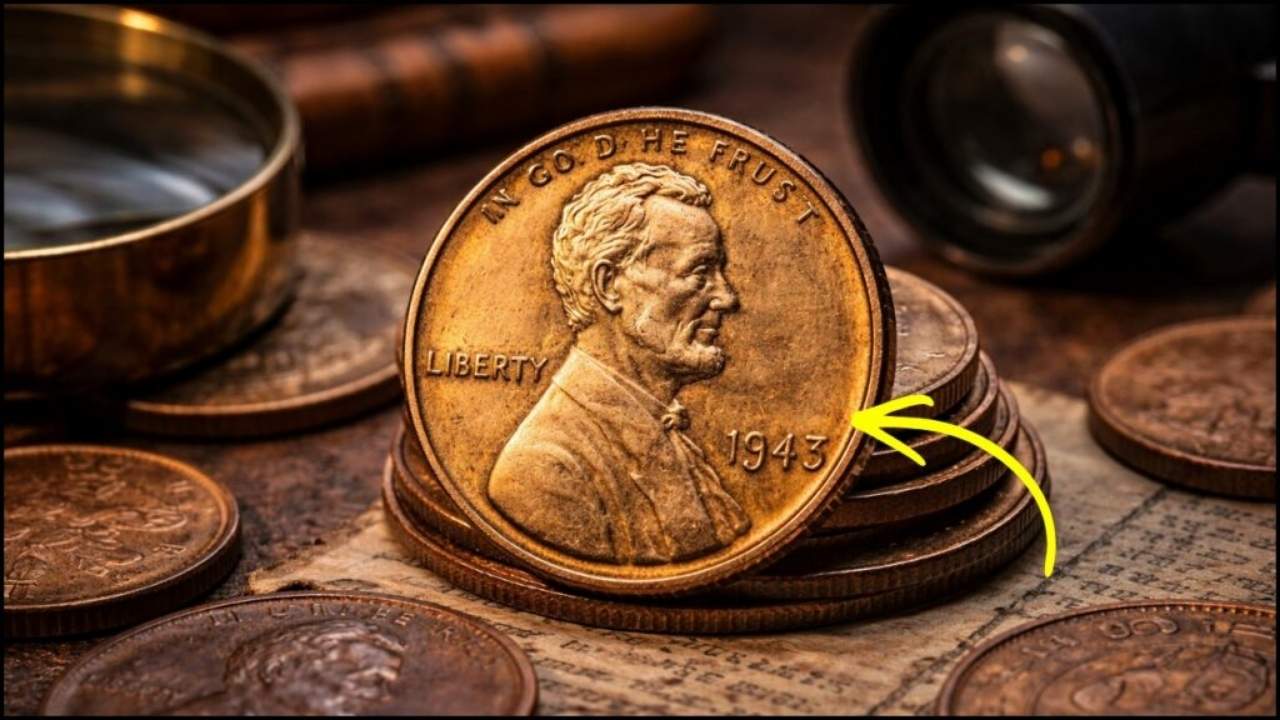
Complete Lincoln Penny Value Guide: The Lincoln penny is one of the most collected and recognized coins in the United States. First issued in 1909, it was created to honor President Abraham Lincoln and has remained in circulation for over a century. While most Lincoln pennies are worth just one cent, some rare years and mint mark combinations can be worth hundreds, thousands, or even more. This complete value guide will help you understand which Lincoln pennies matter, why they are valuable, and how to identify rare examples.
History of the Lincoln Penny
The Lincoln penny was introduced in 1909 to mark the 100th anniversary of Abraham Lincoln’s birth. It was the first US coin to feature a real person rather than a symbolic figure. The original design showed Lincoln’s profile on the front and two wheat stalks on the back, commonly called the Wheat Penny.
In 1959, the reverse design changed to the Lincoln Memorial. Later in 2009, four special reverse designs were released to honor Lincoln’s life. In 2010, the Shield reverse was introduced and remains in use today. Each design era includes rare coins that collectors actively seek.
Understanding Years and Mint Marks
Every Lincoln penny has a year and usually a mint mark. The year shows when the coin was made, while the mint mark tells where it was produced. The most common mint marks are D for Denver, S for San Francisco, and no mint mark for Philadelphia.
Some years had very low production numbers, making those pennies rare. Others may be common in worn condition but extremely valuable in mint or near perfect condition. Knowing both the year and mint mark is essential when identifying a valuable Lincoln penny.
Most Valuable Lincoln Wheat Pennies
Wheat pennies produced between 1909 and 1958 include many of the most valuable Lincoln cents. One of the most famous is the 1909 S VDB penny. It was minted in limited numbers and features the initials of designer Victor David Brenner. Because of its low mintage, it is highly valuable even in worn condition.
Another key date is the 1914 D penny. This coin had low production and was heavily circulated, making high grade examples rare. The 1922 No D penny is another standout. Due to a minting error, some pennies were struck without the Denver mint mark, creating a valuable rarity.
The 1931 S penny is also highly collectible because of its low mintage during the Great Depression. These coins are often saved in better condition, but truly high grade examples still bring strong prices.
Rare Lincoln Pennies from the Memorial Era
Although Lincoln Memorial pennies are generally common, some rare varieties exist. The most famous is the 1969 S doubled die penny. This coin shows clear doubling on the date and lettering and is extremely valuable.
Another major rarity is the 1972 doubled die penny, which features noticeable doubling visible without magnification. The 1983 doubled die reverse penny is also popular among collectors, as it shows strong doubling on the Lincoln Memorial.
The 1992 Close AM penny is another valuable variety. On this coin, the letters A and M in AMERICA appear unusually close together. A similar error exists for the 1999 and 2000 Close AM pennies, which can also command high prices.
Lincoln Penny Errors That Increase Value
Minting errors play a huge role in Lincoln penny values. Errors occur when something goes wrong during the minting process. These mistakes create unique coins that collectors love.
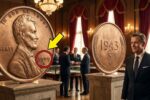
Common valuable errors include doubled dies, off center strikes, clipped planchets, and wrong metal compositions. The 1943 bronze penny is one of the most famous error coins in US history. That year, pennies were supposed to be made of steel, but a few were accidentally struck on bronze blanks. These coins can sell for hundreds of thousands of dollars.
Another example is the 1955 doubled die penny, which shows dramatic doubling and is one of the most recognizable error coins ever made.
How Condition Affects Lincoln Penny Prices
Condition is one of the biggest factors in determining value. Coin condition ranges from poor to mint state. Pennies with heavy wear, scratches, or corrosion are worth less than those with sharp details and original surfaces.
Mint state coins that were never circulated are the most valuable. Even common year pennies can be worth significant money if they are in perfect condition. Professional grading services assign grades that help buyers and sellers agree on value.
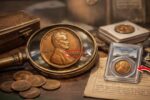
Never clean a penny to improve its appearance. Cleaning can permanently damage the coin and drastically reduce its value.
How to Identify a Valuable Lincoln Penny
Start by checking the date and mint mark. Compare your coin with known key dates and rare varieties. Use a magnifying glass to inspect the lettering and numbers for doubling or unusual features.
Weigh the coin if possible. Some rare pennies were struck on the wrong metal, and weight can help identify them. Look closely at the edges and surfaces for signs of errors.
If you believe you have a rare penny, store it carefully and seek advice from a professional coin dealer or grading service.
Lincoln Pennies Worth Collecting Today
Many collectors focus on building complete Lincoln penny sets by year and mint mark. Others prefer hunting for errors or high grade examples. Even modern pennies can become valuable if they have errors or are preserved in perfect condition.
Collecting Lincoln pennies is popular because it is affordable and educational. You can learn about US history, minting technology, and economics through a single coin series.
Final Thoughts on Lincoln Penny Values
The Lincoln penny may seem ordinary, but it holds extraordinary potential. From rare Wheat pennies to valuable mint errors and high grade modern coins, this small coin offers big opportunities for collectors.
Checking your spare change or old collections could reveal a hidden gem. With the right knowledge and careful inspection, a simple penny could turn into a valuable piece of American history.