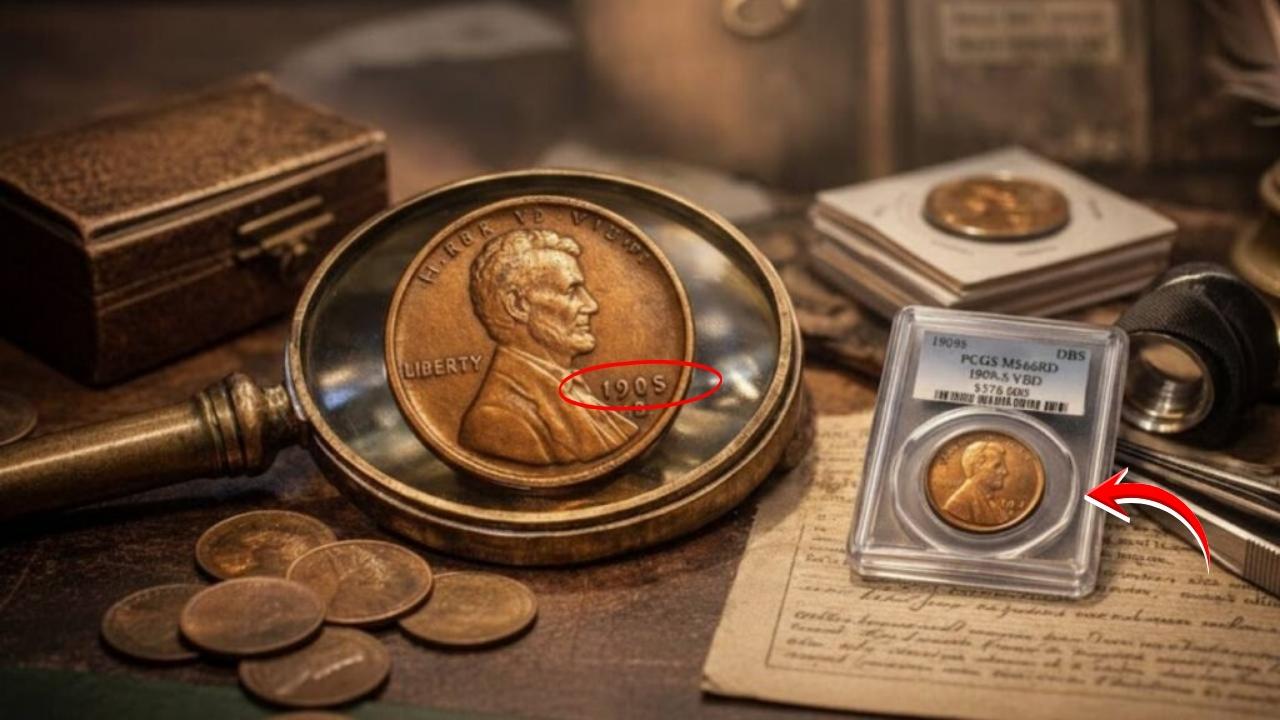
Lincoln Penny Value 2026: The Lincoln penny holds a special place in American history and coin collecting. Introduced in 1909 to honor the 100th birthday of President Abraham Lincoln, it became the first U.S. coin to feature a real historical figure rather than a symbolic image. Over more than a century, billions of Lincoln pennies have been produced, circulated, saved, and sometimes forgotten. While most are worth only face value, some rare dates, special varieties, and error coins are worth hundreds, thousands, or even millions of dollars. In 2026, interest in Lincoln penny values remains strong as collectors continue to search for hidden treasures.
Evolution of the Lincoln Penny Design
The Lincoln penny has undergone several design changes while keeping Lincoln’s portrait on the obverse. From 1909 to 1958, the reverse featured two wheat ears, giving rise to the popular term wheat penny. In 1959, the reverse changed to the Lincoln Memorial to commemorate 150 years since Lincoln’s birth. Later, special designs appeared in 2009, followed by the Union Shield reverse that is still used today.
These design changes help collectors identify different eras of Lincoln pennies. Older designs, especially wheat pennies, are often more desirable due to age, copper content, and lower survival rates in high condition.
Factors That Determine Lincoln Penny Value in 2026
Several factors influence how much a Lincoln penny is worth in 2026. Rarity is the most important. Coins with low mintages or limited numbers surviving today are more valuable. Condition also plays a major role. A penny that looks nearly new can be worth many times more than the same coin with heavy wear.
Mint errors and varieties greatly increase value. These occur when something goes wrong during the minting process, creating a coin that is different from standard issues. Metal composition, collector demand, and historical importance also affect prices, especially as the coin market evolves.
Key Dates That Drive Lincoln Penny Prices
Certain Lincoln pennies are known as key dates because they are essential to completing a full collection. The most famous is the 1909-S VDB penny. It was minted in San Francisco and features the designer’s initials on the reverse. Due to public controversy at the time, production was halted quickly, making this coin extremely scarce.

Another highly sought-after coin is the 1914-D penny. With a relatively low mintage, it is difficult to find in high grades. The 1922 No D penny is another key date, created when worn dies resulted in coins struck without a mint mark. These coins are valuable because they were never intended to exist.
Wheat Pennies and Their Collector Appeal
Wheat pennies, minted from 1909 to 1958, are among the most collected U.S. coins. While many common wheat pennies from the 1940s and 1950s are only worth a few cents, earlier dates can be much more valuable.
Pennies from the 1910s and 1920s often have lower mintages and were heavily circulated, making well-preserved examples rare today. In 2026, high-grade wheat pennies with sharp details and original color continue to rise in value due to strong collector demand.
Wartime Lincoln Pennies and Metal Changes
World War II created some of the most interesting and valuable Lincoln pennies. In 1943, copper was needed for the war effort, so the U.S. Mint produced pennies made of steel coated with zinc. These 1943 steel pennies are common, but their unusual appearance makes them popular with collectors.
The real treasures from this era are the errors. A small number of 1943 pennies were accidentally struck on copper planchets left over from 1942. These 1943 copper pennies are among the most famous and valuable U.S. coins ever made, with some selling for over one million dollars.
Similarly, a few 1944 pennies were mistakenly struck on steel planchets. These coins are also extremely rare and valuable, making wartime Lincoln pennies a major focus for collectors.
Doubled Die and Variety Pennies
One of the most exciting areas of Lincoln penny collecting involves doubled die coins. These occur when the die used to strike the coin is misaligned during creation, causing parts of the design to appear doubled.
The most famous example is the 1955 doubled die obverse penny. The doubling on the date and lettering is dramatic and easy to see, making it highly desirable. Other doubled die pennies from different years are also valuable, especially when the doubling is strong and the coin is in good condition.
Varieties such as repunched mint marks and die cracks also attract collectors, though their value depends on visibility and rarity.
Error Coins Worth Significant Money
Error coins are a major reason why Lincoln pennies remain exciting to collect. Off-center strikes, where the design is not centered on the coin, can be very valuable if the date is still visible. Clipped planchets, which result in a missing section of the coin, are another popular error type.
Broadstrikes, wrong metal compositions, and coins struck on foreign planchets are also valuable. The more dramatic and unusual the error, the higher the potential value, especially when confirmed by professional grading services.
Modern Lincoln Pennies With Unexpected Value
Many people assume modern Lincoln pennies are worthless, but that is not always true. Pennies minted after 1982 are mostly made of zinc with a thin copper coating, but some early 1982 pennies are still copper and collectible.
High-grade modern pennies are surprisingly rare because most were heavily circulated. Pennies with perfect surfaces, strong strikes, and no wear can be worth far more than face value. Modern doubled die errors and missing design elements are also becoming more popular among collectors in 2026.
Understanding a Lincoln Penny Value Chart
A Lincoln penny value chart organizes coins by year, mint mark, condition, and estimated price range. These charts help collectors quickly identify which pennies are worth closer examination.
Values can vary widely depending on condition. A common penny in worn condition may be worth only one or two cents, while the same penny in uncirculated condition could be worth several dollars. Rare dates and error coins often show dramatic price increases as condition improves.
How to Identify Valuable Lincoln Pennies
Identifying valuable Lincoln pennies begins with checking the date and mint mark. Early years, low-mintage coins, and wartime issues deserve special attention. Examine the coin’s condition, focusing on wear, surface quality, and color.
Using a magnifying glass can help spot doubled lettering, unusual marks, or errors. Weighing the coin can help determine metal composition, which is important for identifying rare copper or steel errors. If a penny appears valuable, professional grading and authentication can help confirm its worth.
Collecting Lincoln Pennies in 2026
In 2026, Lincoln penny collecting remains one of the most accessible and rewarding areas of numismatics. Beginners can start with simple date sets, while advanced collectors pursue rare varieties and high-grade coins.
Proper storage is essential to preserve value. Pennies should be kept in protective holders and never cleaned, as cleaning can damage surfaces and reduce collector appeal. Patience, research, and attention to detail are key to building a valuable collection.
Conclusion
The Lincoln penny is far more than spare change. From rare early issues and famous wartime errors to doubled dies and modern high-grade coins, this series offers endless opportunities for discovery. In 2026, understanding Lincoln penny values and knowing how to read a value chart can turn an ordinary-looking coin into a valuable find. With careful inspection and a bit of luck, collectors may uncover rare dates or error coins that transform a simple penny into a remarkable treasure.