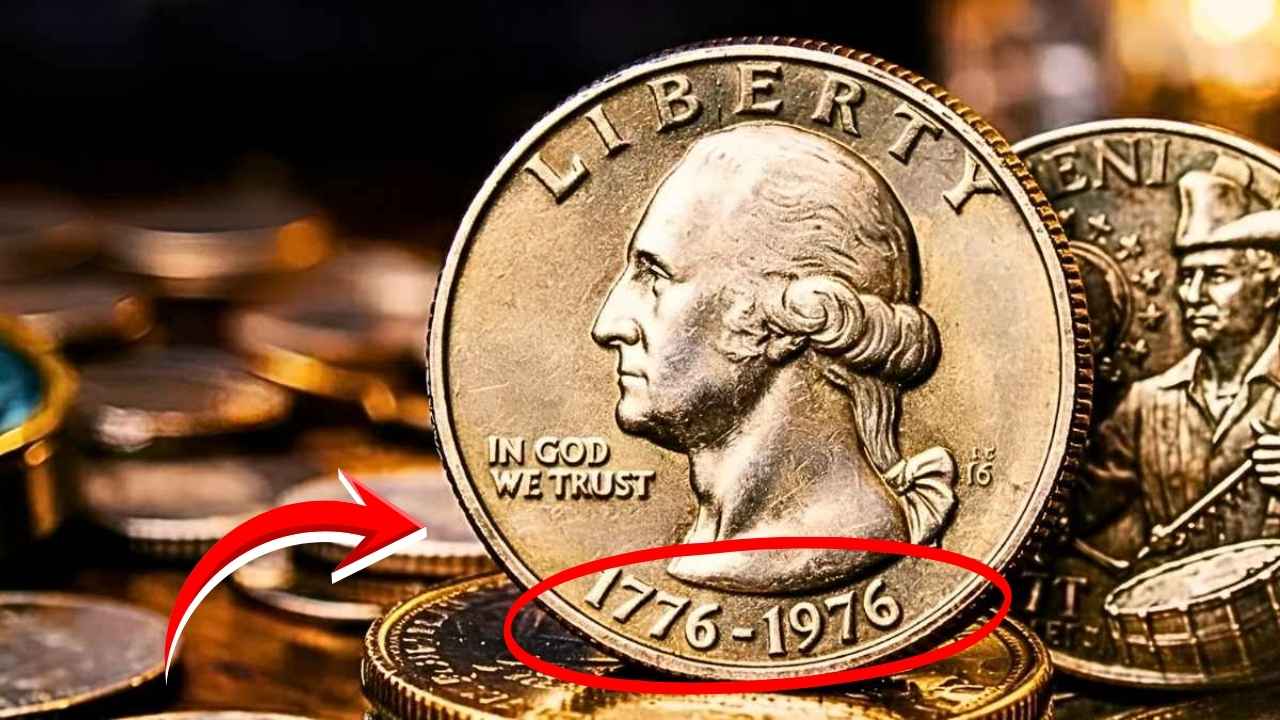
1976 Bicentennial Quarter Value Guide: The 1976 Bicentennial quarter is one of the most recognizable coins in modern United States coinage. Issued to celebrate the 200th anniversary of American independence, this distinctive quarter features a special reverse design showing a colonial drummer surrounded by thirteen stars. Millions of these coins were struck and circulated widely, making them familiar to anyone who used cash in the late twentieth century. While most Bicentennial quarters are common and worth only face value, certain varieties and high-grade examples have attracted collector interest and value over time. This guide explores the factors that influence the value of 1776-1976 quarters, offers insight into current market trends, and helps collectors understand what to look for.
Background of the 1976 Bicentennial Quarter
In the lead-up to the United States Bicentennial celebration, the U.S. Mint produced special designs for the quarter, half dollar, and dollar coins. The reverse of the Bicentennial quarter was designed by Jack L. Ahr, featuring the colonial drummer and stars to represent the original thirteen colonies. The obverse retained the familiar portrait of George Washington but with dual dates marking 1776 to 1976. Because the design was intended for circulation, millions of Bicentennial quarters were released into everyday use, and many remain in pocket change today.
Typical Values for Circulated Quarters
Most 1976 Bicentennial quarters found in change are worth only face value. These coins were produced in massive quantities and saw heavy everyday use throughout the late 1970s and early 1980s. Signs of wear, including loss of detail on the drummer’s uniform and smoothing of the stars, are common. As a result, circulated Bicentennial quarters typically trade for 25 cents to a few dollars depending on condition. Collectors who focus on date and mint mark completeness or who simply enjoy collecting historical coins still appreciate these pieces even at face value.
Uncirculated and Mint State Examples
Uncirculated Bicentennial quarters, especially those with full mint luster and sharp details, can be worth more than their circulated counterparts. Coins that never entered everyday use and retain original mint sheen may appeal to collectors and earn higher prices. In general, uncirculated quarters in mint state grades can range from a few dollars to several dozen dollars. The value increases with higher grades from professional grading services. Coins that receive top grades, such as MS65 and above, are particularly desirable and often bring stronger bids at auction.
Silver Clad Bicentennial Quarters
One of the most important distinctions for collectors involves silver clad Bicentennial quarters. For circulation, most Bicentennial quarters were struck on a copper-nickel clad planchet. However, special collector sets produced for collectors included silver clad versions containing 40 percent silver. These silver clad coins have intrinsic metal value in addition to collector interest. Depending on current silver prices, silver clad Bicentennial quarters generally command a modest premium over face value, with higher prices for coins in excellent condition.
Proof Bicentennial Quarters
Proof coins are specially struck for collectors using polished dies and planchets. The 1976 Bicentennial proof quarter was included in United States Mint proof sets and often shows crisp detail and mirror-like surfaces. Proof Bicentennial quarters can fetch higher prices than regular circulation strikes, particularly when graded at high levels by professional services. Collectors often seek these coins in pristine condition for their aesthetic appeal and historic significance.

Key Varieties and Error Coins
While the basic 1976 Bicentennial quarter design was consistent, a variety of minting errors and unusual varieties exist that attract collector interest. Errors such as double dies, off-center strikes, and clipped planchets can increase a coin’s value above the typical range. Double die varieties may show doubling in the lettering or design elements on the obverse or reverse. Off-center strikes, where part of the design is missing due to improper placement during striking, can be dramatic and desirable to error specialists. Clipped planchets occur when the blank was improperly cut before striking, resulting in a crescent-shaped missing section. The values for these error coins vary widely depending on rarity and collector demand.
Market Trends and Collector Demand
Over recent years, interest in the 1976 Bicentennial quarter has shown steady resilience among collectors. While these coins do not typically carry the extreme rarity of older American issues, many collectors are drawn to them due to historical significance, design appeal, and the opportunity to complete sets with different mint marks and varieties. Collector demand has remained particularly strong for high-grade uncirculated examples and silver clad versions. Online auction platforms have contributed to a broader market where collectors can compare prices and find specific examples more easily than in the past.
How Professional Grading Affects Values
Coins submitted to professional grading services receive a numerical grade based on condition, ranging from 1 to 70. A high grade often translates to higher value because it provides collectors with confidence in the coin’s condition and authenticity. Bicentennial quarters graded MS65 and above typically command premiums in the market compared to raw coins. Proof coins graded PR65 and above also enjoy higher values. For collectors who believe they have an exceptional example, professional grading can be a worthwhile investment to establish the coin’s market worth.
Tips for Collectors and Investors
If you are collecting or investing in 1976 Bicentennial quarters, understanding what to look for is essential. First, learn to identify the difference between copper-nickel clad and silver clad coins. Silver testers or scale measurements can help with this distinction. Next, study the visual characteristics of uncirculated and proof examples to recognize superior eye appeal. For error coins, a magnifying glass or loupe can reveal doubled dies or off-center strikes that might otherwise go unnoticed. When in doubt, seeking the opinion of a knowledgeable dealer or submitting the coin for professional grading can add clarity to the coin’s potential value.
Where to Buy and Sell Valuable Quarters
Valuable Bicentennial quarters can be found in a variety of places. Local coin shops often have collections available for browsing and offer opportunities to learn from experienced dealers. Coin shows provide a wider selection, where collectors can compare coins side by side and negotiate on prices. Online marketplaces and auction platforms have become increasingly important venues for buying and selling valuable Bicentennial quarters. These platforms allow collectors to reach a global audience and find rare varieties or high-grade examples that may not be available locally.
Conclusion
The 1976 Bicentennial quarter remains a fascinating and collectible series within United States numismatics. While the majority of these coins are worth only their face value, a range of uncirculated, silver clad, proof, and error coins can carry significantly higher prices. Collector interest in these quarters is supported by their historical significance, distinctive design, and the opportunity to complete specialized collections. Whether you are a seasoned coin enthusiast or just beginning your journey, understanding the value dynamics of Bicentennial quarters enhances your appreciation of this iconic piece of American history. As the market continues to evolve, well-preserved and unique examples are sure to remain sought after by collectors and investors alike.